In brief
- I built this blog in conversation with an AI model, starting from a short written brief.
- The AI did the building and checked its facts. The decisions about design, colour and purpose stayed with me.
- For marketing teams, the bottleneck is shifting from making things to knowing what good looks like.
This blog didn’t start with a template or a developer. It started with a brief, the kind I’d give an agency: clean, elegant and minimalist, a serif for titles, a sans serif for body copy, categories, images, links and comments. I typed it into Claude, an AI model made by Anthropic, and a working blog came back.
Over the next few days, the conversation turned into a design process. I asked for changes, sent a rough mock-up I’d stitched together from two layouts I liked, and handed over my logo. It rebuilt the layout to match, traced the logo into a clean vector that changes colour in dark mode, and set up the editor I’m using to write this.
What the machine did
It did the building: the code, the editor, the comments, the categories, the search, the About page, and the fiddly work of making all of it behave on a phone and in dark mode. It checked its own work, too. Before a statistic went into my first post, it checked the figure against the original source.
What it didn’t do
It didn’t decide anything that mattered. The accent colour went from red to gold to yellow to cerise in a single morning, and every one of those calls was mine. When I asked which colour it would recommend, it argued for a deep oxblood. I chose cerise.
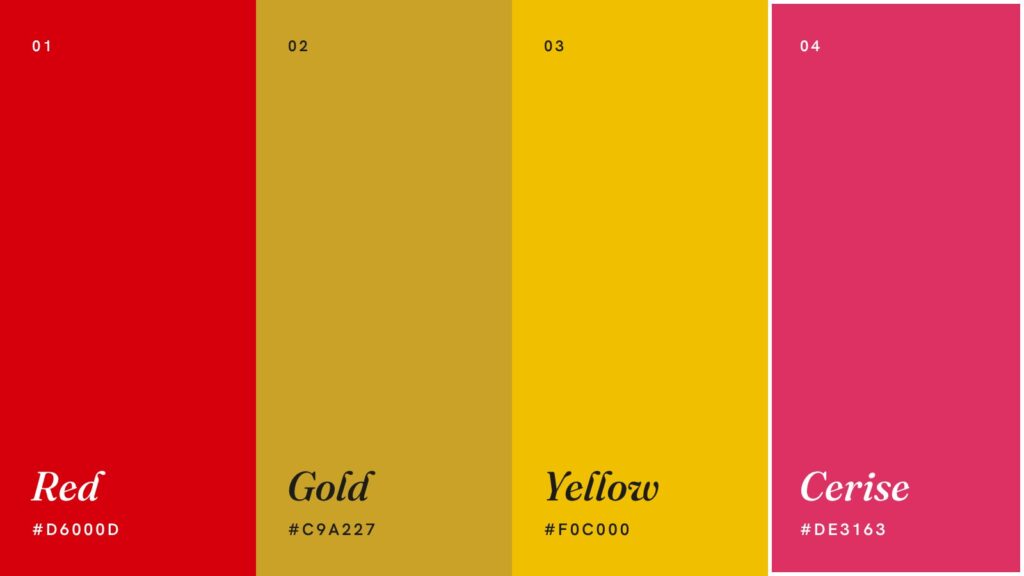
It did push back, which I valued more than I expected. It told me when an idea wouldn’t work, such as small yellow text on a white page, and offered a better one: black links with a thick yellow underline. It also told me plainly that a blog hosted inside an AI tool has limits a marketer should care about, like no custom domain and no analytics.
Making things is getting cheaper. Knowing what good looks like is getting more valuable.
What it means for marketing teams
My team doesn’t buy media. We shape platforms, design journeys and fill them with content, and that work has always been limited by build capacity: a developer’s time, an agency’s queue, a template’s constraints. Conversation with an AI removes a lot of that friction.
What it doesn’t remove is judgement. Someone still has to write a clear brief, recognise a weak result and say no to the wrong idea quickly. Those are the skills I’d invest in now: briefing, editing and taste.
The caveats
- It still needs checking. Every figure on this blog is checked against its source, and I read everything before it goes live.
- It runs on someone else’s platform. That’s a fair trade for a personal blog. For an institutional website, ownership, governance and accessibility testing matter far more.
- It drafts in a confident voice. That confidence needs an editor. So does mine.
In the spirit of honesty, this post was drafted with AI help too. The opinions, and the colour choices, are mine.
Comments
No comments yet.